Buying · 4 min read
Does That Backyard Actually Belong to You? Why Property Lines Matter Before You Buy
Before you fall in love with the backyard, know what you’re buying
 By Simon Mandell
October 17, 2026
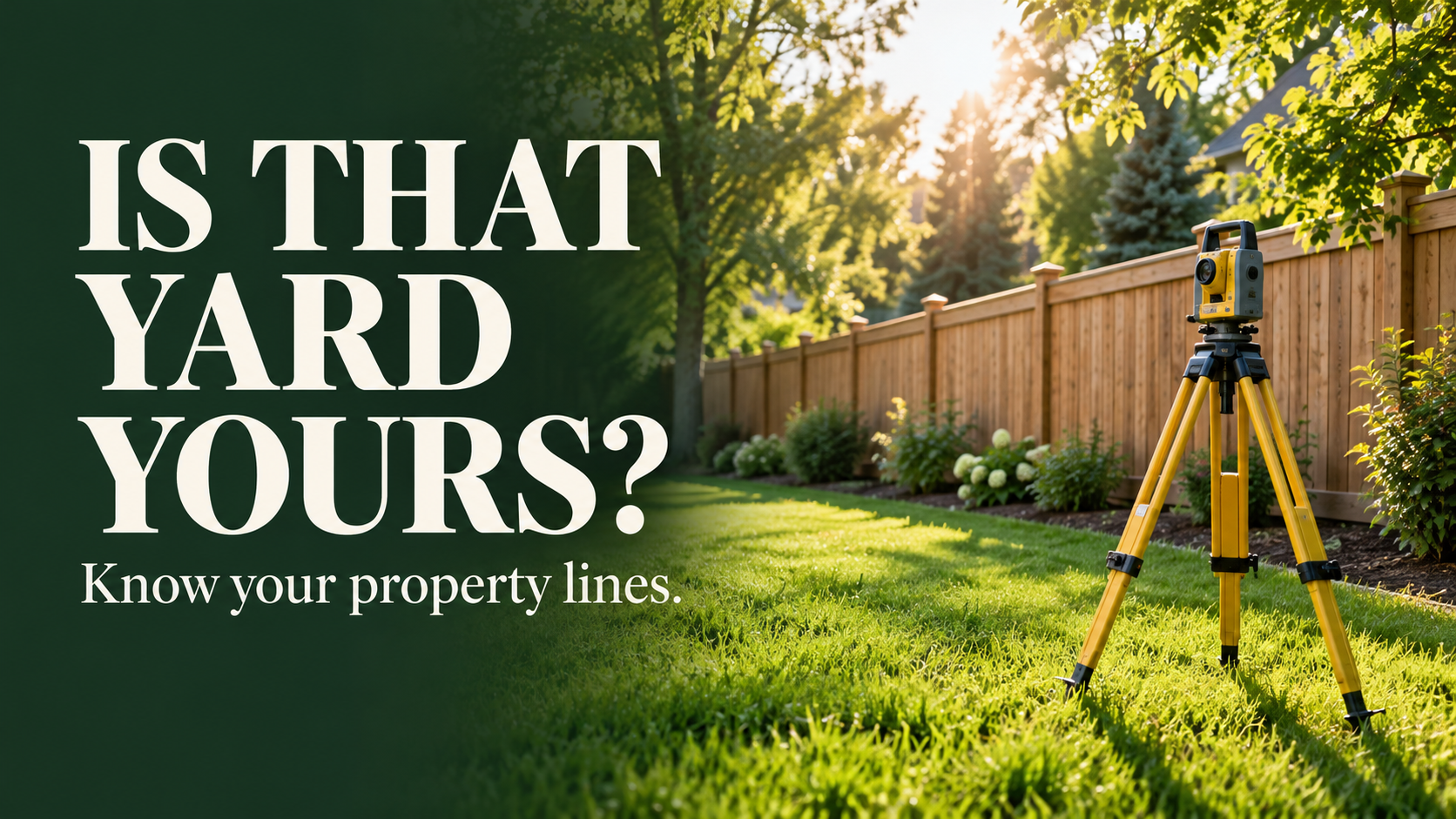
Tell me what you want to do with the yard. A fence for the dogs? A workshop? A pool once you have settled in? That helps me understand why a property appeals to you, and it tells us what needs checking before you buy. The fence already standing there may not mark the boundary. Neither may the tree line or the strip the seller has always mowed. Before we start arranging your plans across the lot, I want to know where the property ends and what restrictions affect it.
A boundary survey helps establish the location of the property lines. Georgia’s surveying standards require surveyors to evaluate available records and compare that information with evidence gathered in the field. That is more involved than looking at an outline on a screen. Source: Georgia technical standards for property surveys. When you’re considering a property, I want us to ask whether an existing survey is available and whether a licensed surveyor recommends updated work for your intended use.
That intended use gives the surveyor and the other professionals a useful starting point. A fence and a detached garage can raise different questions. I want us asking about your actual plan, rather than collecting a document and assuming it answers everything.
Boundaries are one part of the picture. We also need to understand restrictions and rights affecting the property. An easement may give another party certain rights to use part of the land. Recorded restrictions may affect what you can build. The American Bar Association identifies property-use restrictions and disputed boundaries as issues buyers should consider before completing a purchase. Source: American Bar Association residential real estate FAQs.
An easement or restriction may be entirely manageable. We need the closing attorney to explain the documents and the appropriate local office to confirm development requirements, so you know what it means for the use you have in mind.
As we walk the land, I would use it to make a list of things to verify.
Does the driveway stay within the property or use shared access? How do the fences and outbuildings relate to the surveyed lines? We need to identify utility, drainage, or access easements and ask how setbacks could affect an addition. If there is septic, the system and drainfield locations belong in that conversation before you choose a spot for anything else.
Acreage tells us how much land there is. It does not, by itself, tell us how much room is available for your particular project.
Sellers can make this easier by gathering existing surveys, easement records, and paperwork for additions before listing. Finding a question early leaves more room to resolve it than finding one while everybody is arranging movers. If you are buying for the space to add a fence, shop, pool, or addition, send me the property and your plans. Let’s establish what needs checking before that possibility becomes part of what you are willing to pay.
Every property and situation is different. These articles offer general considerations, not a property-specific valuation or a guarantee of results.
Explore more stories ↗Have a home or a question in mind?
Tell me where you are looking or selling, your timeline, and what you need help deciding.
Call Simon: 678-227-8749Text Simon: 678-227-8749 ↗