Buying · 5 min read
You Share the Driveway. What Else Are You Sharing?
Access, maintenance and parking deserve clear answers before you buy.
 By Simon Mandell
November 23, 2026
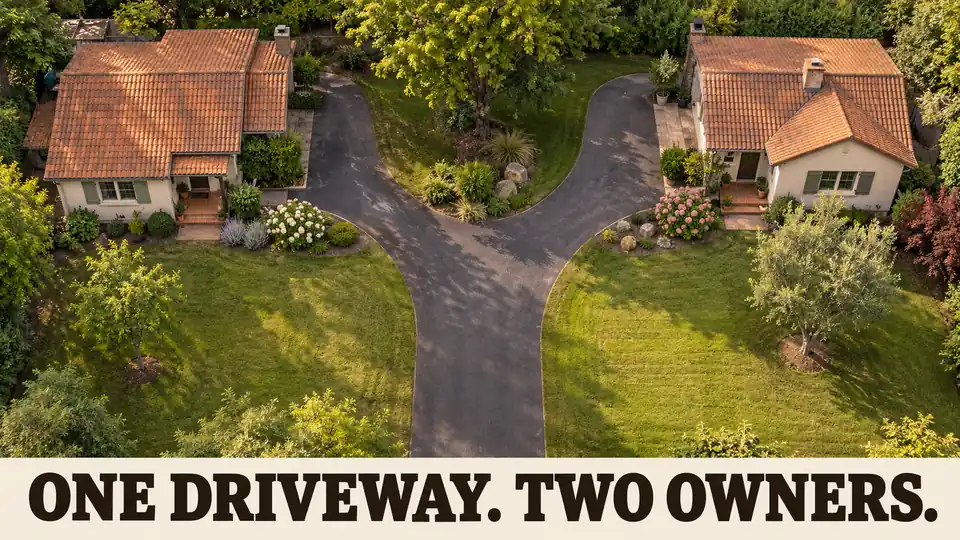
The house checks the boxes. You like the yard, the location works, and the driveway looks perfectly normal. Then someone mentions that the first stretch is shared with the neighbor.
Would that make me tell you to walk away? No. Would I want more than “Everybody has always gotten along”? Absolutely.
A shared driveway is something you will use nearly every day. Before you buy, I want us to understand three things: your right to use it, your responsibility for it, and whether the arrangement fits how you live. Those questions can have different answers.
Start with the paperwork. Ask for the recorded documents addressing access and any maintenance agreement, along with an available survey. Have the closing attorney review what rights actually benefit the property and what obligations come with them. I wouldn’t rely on a seller’s description of where the property line runs or assume that a neighbor’s permission is the same as a recorded, lasting right.
Even a document titled “easement” needs to be read. What area does it cover? What uses does it allow? Does it address maintenance or only access? Are there limits or conditions that affect what you intend to do? The attorney can explain how the actual documents apply. The surveyor can help identify where the described area sits on the ground.
Then we need to talk about money. Who pays when the pavement breaks down or drainage needs attention? Who gets estimates and authorizes work? What happens if one owner wants a repair now and the other wants to wait? A driveway that looks fine during a showing can still come with an unclear future expense.
Fannie Mae’s guidance for community-owned or privately maintained streets addresses recorded, enforceable maintenance arrangements, cost responsibilities, default remedies and obligations affecting future owners, with specified exceptions. That does not mean every shared driveway is automatically governed by the same rule. Your lender needs to evaluate the actual property and loan program. The lending guidance is available here.
I would get those documents to the lender early. Waiting until the final days of a purchase to discover that someone needs an access document or an attorney’s review makes the schedule harder than it needs to be. A seller can help by gathering what is already recorded before listing, instead of trying to locate it after a buyer raises the question.
Now picture an ordinary Tuesday. Can you pull out if the neighbor has visitors? Where does a delivery vehicle turn around? If your household has three vehicles, where will they go without blocking access? Walk the space and look at the turning area. A driveway that works for someone with one small car may feel different with your truck, trailer or visiting family.
I’d also ask about gates, drainage, trees and any work someone hopes to do later. Don’t assume you can widen the drive, put up a fence or install a gate just because it seems reasonable. Those plans need to be checked against the property boundaries, recorded rights and applicable local requirements before they become part of your buying decision.
A conversation with the neighbor can be helpful. It may tell you how the arrangement has functioned. But I would treat that conversation as useful background, not a substitute for the documents. People move. Their needs change. You want to understand the arrangement that comes with the property, not just the personalities living there today.
For resale, I wouldn’t apply an automatic discount simply because the driveway is shared. I would look at comparable properties, the clarity of the arrangement and the practical compromises a buyer would face. Unanswered questions deserve attention before we settle on a price or an offer.
If a home you’re considering shares a driveway, send me the listing before you commit. Let’s identify the access and maintenance questions, get the proper documents to your lender and closing attorney, and decide whether the setup actually works for you.
Sources checked November 23, 2026:
Every property and situation is different. These articles offer general considerations, not a property-specific valuation or a guarantee of results.
Explore more stories ↗Have a home or a question in mind?
Tell me where you are looking or selling, your timeline, and what you need help deciding.
Call Simon: 678-227-8749Text Simon: 678-227-8749 ↗