Homeownership · 5 min read
The House Has a Generator. What Does It Actually Power?
Backup power is useful when you understand the equipment, fuel, maintenance and limits.
 By Simon Mandell
November 22, 2026
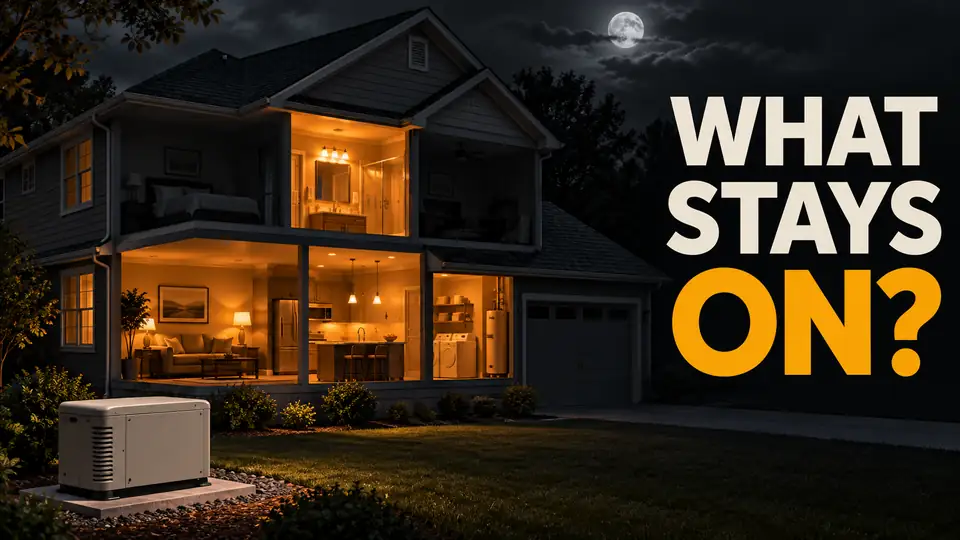
“The house has a generator.”
That sounds like a nice feature. Before I put much weight on it, though, I want to finish the sentence. The house has a generator that powers what, starts how, runs on which fuel, and was last serviced when?
Those answers matter more than the size of the box sitting outside.
A buyer may hear “generator” and picture the entire house working normally during an outage. The seller may mean the refrigerator, a few lights and one bathroom outlet. Neither description helps us unless we identify the actual equipment and what it supports.
Start by distinguishing a permanently installed standby system from a portable generator. Manufacturer guidance describes standby systems as capable of serving selected circuits or a whole home, depending on the installation. Some systems use automatic transfer equipment; a portable setup may require manual steps. Have a qualified electrician or generator technician explain the system you are buying, including its capacity and limitations.
I would bring a list of what matters to you. Heating or cooling? The well pump? Refrigeration? Your home office? Which of those can operate together, and which might be managed or left off? A technician can review the actual loads and equipment. I would not work that out from a seller’s casual estimate during a showing.
If someone in the household depends on powered medical equipment, speak with the medical-equipment provider and the appropriate professionals about a separate emergency plan. Do not treat a real estate description as assurance that a home generator provides uninterrupted or suitable medical backup.
Next, look at the fuel arrangement. Ask whether the system uses natural gas, propane or another fuel. If a propane tank is involved, establish who owns it, whether it is leased, and what needs to transfer. Ask about fuel supply and expected operation under the loads you need. A runtime estimate without its assumptions can create false confidence.
For a seller, this is where good records can make the feature easier to understand. Gather the model and serial numbers, installation paperwork, applicable permits and inspection records, owner’s manual, service invoices and warranty information. Verify transfer terms rather than promising the warranty follows the property automatically. If a portable unit is part of the sale, identify it clearly in the contract along with the equipment that stays.
I also want the buyer to understand maintenance. A system that ran during the last storm is not the same thing as a current service assessment. Ask the technician what is due, whether there are active faults, and how the buyer should arrange ongoing service. Any operational demonstration should be coordinated with the seller and a qualified professional. Do not start experimenting with electrical equipment at a showing.
Safety needs its own clear distinction. CPSC’s May 27, 2026 guidance says portable generators belong outdoors at least 20 feet from homes and buildings, with exhaust directed away from openings. They should never run inside a home, garage, basement or shed, even with doors open. That portable-generator distance is not a universal installation specification for every permanently installed standby model; those systems need their manufacturer’s requirements and applicable codes checked by the installer.
CPSC also warns against powering house wiring by plugging a generator into a wall outlet. Have a qualified electrician evaluate the approved connection and transfer arrangement. Working carbon-monoxide alarms remain important; they do not make an unsafe setup safe.
Would a generator make the home more valuable? It may be useful to a particular buyer. I would not automatically add the installation bill to the asking price. We still need to look at condition, competing homes and what buyers can verify about the feature. Convenience has value, but the equipment needs to support the claim we make about it.
Before we advertise your generator or write an offer on a home with one, send me the model information and whatever installation and maintenance records you have. We can build a short list of unanswered questions for the technician, then make sure the listing and contract describe what is actually included.
Sources checked November 22, 2026: CPSC 2026 generator safety guidance; CPSC portable generator hazards; Generac explanation of standby systems. Manufacturer guidance is a technical example, not an endorsement or a specification for other models.
Every property and situation is different. These articles offer general considerations, not a property-specific valuation or a guarantee of results.
Explore more stories ↗Have a home or a question in mind?
Tell me where you are looking or selling, your timeline, and what you need help deciding.
Call Simon: 678-227-8749Text Simon: 678-227-8749 ↗