Buying · 5 min read
Buying or Selling a Home With Solar Panels? Find Out What Comes With Them.
Understand system ownership, monthly obligations, roof condition, and the paperwork behind solar.
 By Simon Mandell
October 14, 2026
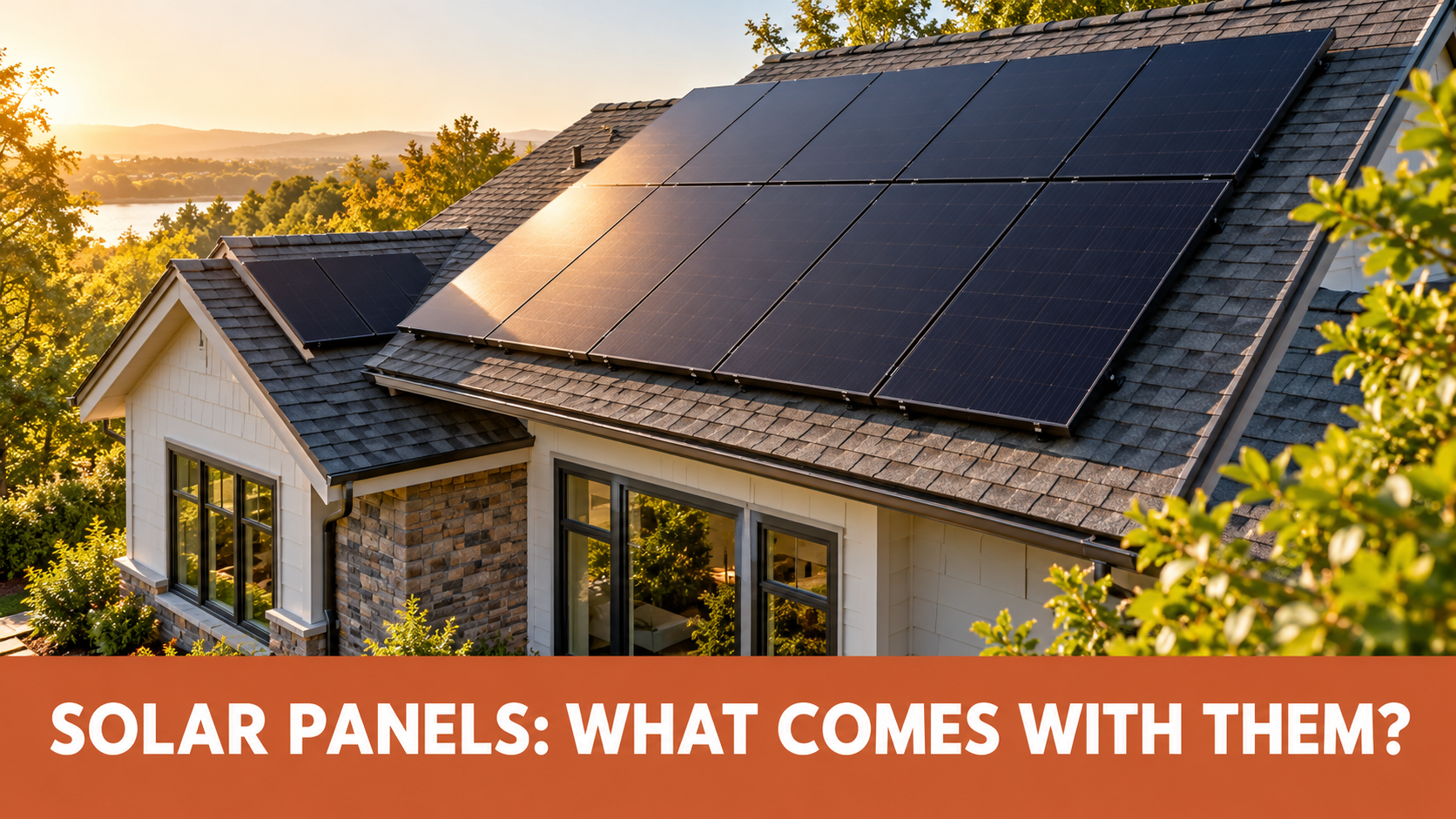
If a house has solar panels, my first question is who owns them. We can talk about lower electric bills and what the system contributes to the property once we know what is being sold and whether another payment or agreement comes with it. That isn't a criticism of solar. It is the same approach I would take with any feature that has ongoing costs. Buyers deserve to understand the arrangement, and sellers benefit from having the answer ready before negotiations begin.
Georgia’s Attorney General explains that homeowners may purchase solar equipment, lease it, or enter a power purchase agreement. Those arrangements affect costs and responsibilities when the home sells. For a particular listing, I’d want the actual documents. Is the system paid off? Is there an outstanding loan? Does a third party own it? Is someone expected to assume an agreement, and does that require approval? We shouldn’t leave those questions for the week of closing.
If you are selling, gather those agreements before listing so we can explain exactly what a buyer would receive. If you are buying, have them reviewed before assuming the panels are simply part of the house with no further obligation.
Then let’s put the utility bill and any solar payment together. This hypothetical comparison shows why I would want both numbers:
| Monthly expense | Without solar | With solar |
|---|---|---|
| Electric utility bill | $220 | $80 |
| Solar payment | $0 | $170 |
| Combined expense | $220 | $250 |
Here, the utility saving is $140, but the solar payment leaves the combined cost $30 higher. That is not a forecast for your home or a claim that solar always costs more. I would ask for actual utility bills, production records, and the financing or lease terms. Even with those records, your household may use energy differently from the seller.
The Department of Energy advises buyers to compare the system’s age with the roof’s age. Its consumer guide says residential panels usually last around 20–25 years, while string inverters commonly last about 10–15 years. Actual equipment life and warranties vary. My next questions would be practical: Who services the system? What warranties transfer? If the roof needs replacement, who removes and reinstalls the panels, and what would that cost? Those are ownership expenses worth understanding before we assign value to the feature.
For sellers, installation cost is useful financial history, but it does not set the next buyer’s price. We need to explain documented performance and condition while accounting for any obligation that transfers. If there is a loan to pay off, let’s include it in the proceeds calculation early. The net matters, even when the feature itself is appealing.
Bring the equipment records and agreements into the conversation with the home’s other features. Then we can discuss value with a clear understanding of what the panels produce, what they need, and who is responsible for the expense.
Every property and situation is different. These articles offer general considerations, not a property-specific valuation or a guarantee of results.
Explore more stories ↗Have a home or a question in mind?
Tell me where you are looking or selling, your timeline, and what you need help deciding.
Call Simon: 678-227-8749Text Simon: 678-227-8749 ↗