Buying · 5 min read
Buying New Construction? The Model Home Is Only the Starting Point
Compare the finished price, builder incentives, inspections, warranties, and completion terms.
 By Simon Mandell
October 13, 2026
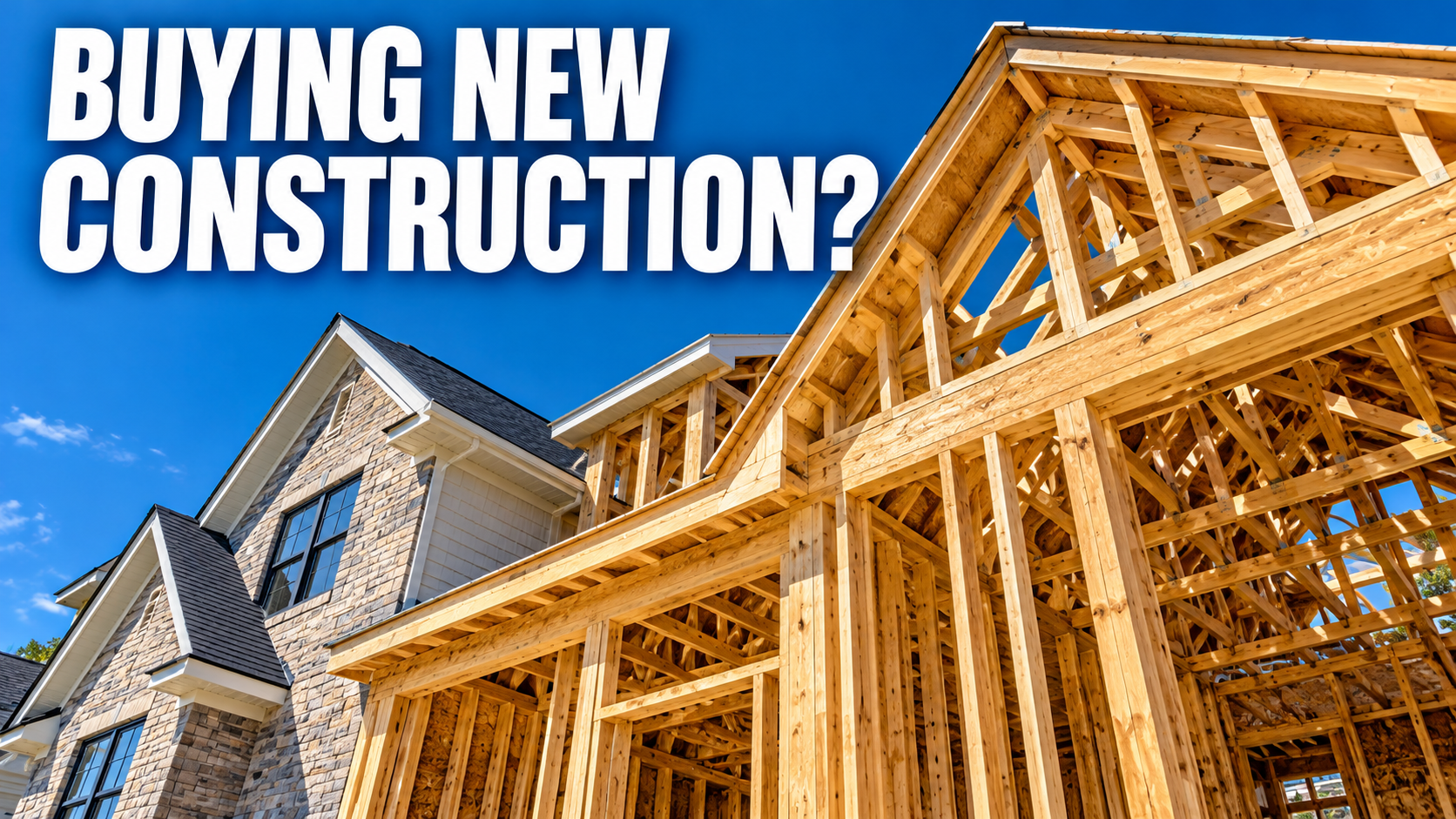
It’s easy to walk through a model home and start putting your furniture in it mentally. Everything is clean, the lighting looks good, and somebody has spent a lot of time making every room feel right.
Before we get too far, I want to ask one question: what would it cost to buy the house you’re actually looking at?
The advertised starting price may not include that lot, those cabinets, that flooring, or the extra windows. For illustration, a $425,000 base price with a $15,000 lot premium and $25,000 in selected upgrades becomes $465,000 before closing costs. There’s nothing wrong with choosing those things. We just need to compare the finished price with your budget and other homes you could buy.
I’d want the included features in writing. I’d also ask what happens if a finish becomes unavailable, when your choices become final, and which deposits may be at risk if you change your mind. The builder’s contract deserves a careful read, with legal guidance when needed. It may handle delays, deposits, and inspections differently from a resale contract you’ve seen before.
Then we look at the incentive. A credit tied to a preferred lender may be helpful. Let’s compare the actual loan terms and costs with another lender before deciding what it saves you. A big number on a sign doesn’t answer that by itself.
New construction still deserves an independent inspection. New materials and new systems can have installation issues. Ask about inspection access and timing before signing, including whether you can arrange a pre-drywall inspection when applicable and a final inspection before closing. We need to work within the agreement and construction schedule, not show up expecting access that wasn’t arranged.
I’d also look beyond the house. What does the approved plan show for the surrounding land? Who maintains the roads and common areas? What do the HOA documents require? A sales rendering can help you picture the neighborhood, but promises about future features need to be checked against written documents and current public approvals.
The completion date matters, especially if you’re selling another home. Ask what happens if construction is delayed. Consider your housing, storage, and rate-lock arrangements before giving notice or promising a buyer your move-out date.
And read the warranty. The FTC explains that new-home warranties have limits and different periods of coverage. Knowing who handles a claim and what documentation they require is more useful than simply hearing, “It’s under warranty.”
If you’re thinking about a new community, call me before your first visit or registration so we can check its representation policies. I want you enjoying the possibilities while we keep track of what you’re buying, what you’re paying, and when you can actually move in.
Every property and situation is different. These articles offer general considerations, not a property-specific valuation or a guarantee of results.
Explore more stories ↗Have a home or a question in mind?
Tell me where you are looking or selling, your timeline, and what you need help deciding.
Call Simon: 678-227-8749Text Simon: 678-227-8749 ↗