Buying · 4 min read
Buying a Home on a Private Road: Who Pays When It Needs Repairs?
A quiet private road can be part of the appeal. Before buying, find out who maintains it, what you owe and whether the access documents work for your loan.
 By Simon Mandell
November 18, 2026
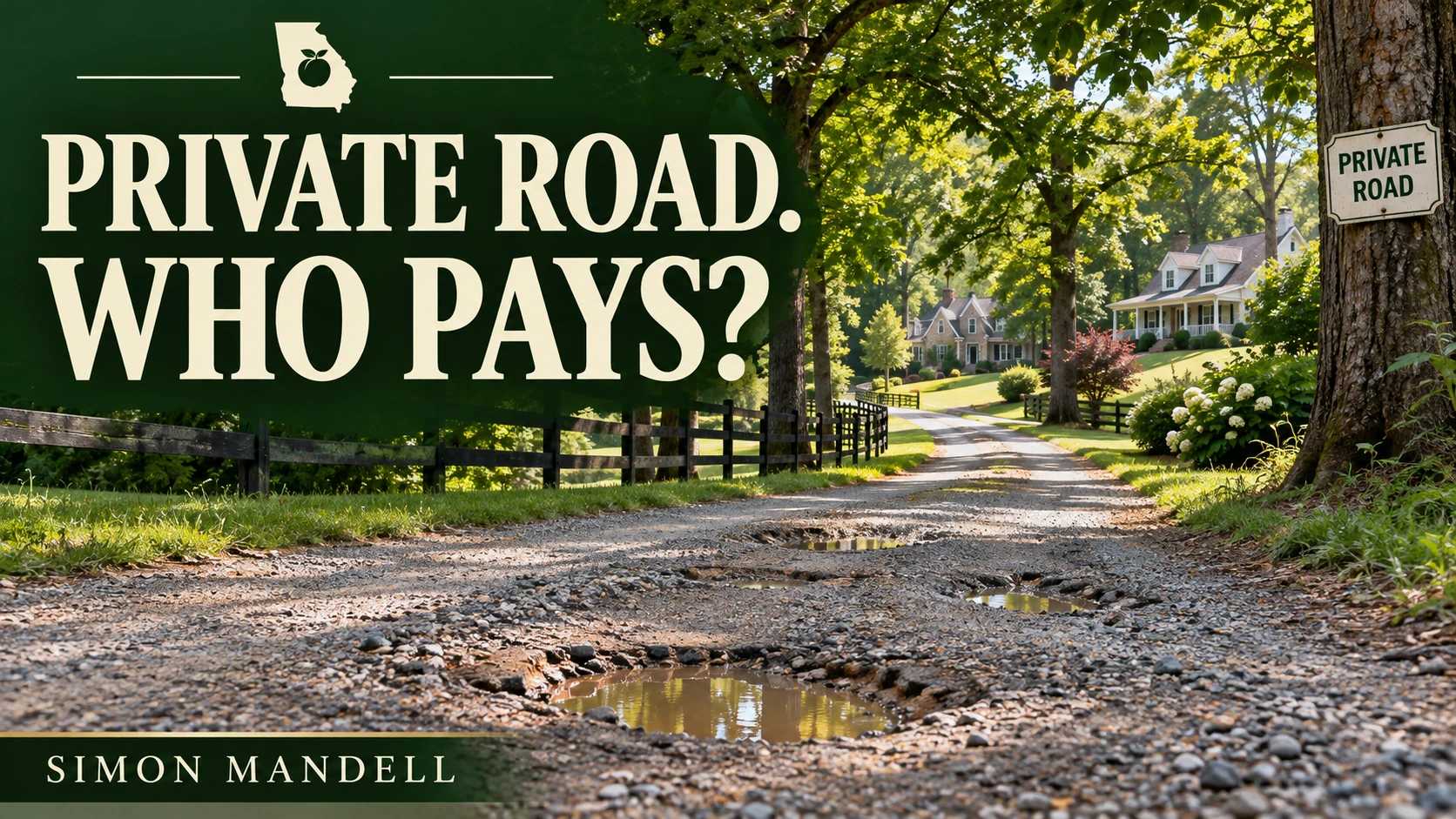
You found the house. It's tucked back off the main road, there's some room between you and the neighbors, and you can already picture yourself sitting on the porch.
Then we hit a pothole on the way out.
Who pays to fix that?
I would want an answer before you bought the house. And I mean something more than, ‘The neighbors usually work it out.’ That may have worked just fine for years. But what happens when the repair is expensive, somebody moves, or one person decides they aren't paying?
A private road wouldn't automatically make me tell you to pass on a home. It would make me slow down and ask a few more questions.
The first is whether you have the legal right to use it. The second is what you're responsible for maintaining. Those aren't necessarily the same thing. We need the closing attorney to review the recorded documents, and we need to confirm who maintains the road. A street sign and a mailbox don't answer that for us.
Your lender needs to know about it early, too. Fannie Mae's guidance generally calls for a recorded, enforceable maintenance agreement for privately maintained streets, with payment responsibilities and a way to address someone not meeting their obligations. There are exceptions, so I'm not saying a missing agreement automatically makes the house impossible to finance. I'm saying let's have your lender review the actual situation before we're counting on a closing date. [1]
Now let's talk about the money. Say a repair costs $12,000 and six owners are responsible for equal shares. That's $2,000 each. That's a hypothetical example, not a road-repair estimate. And we can't assume an equal split unless that's what the documents say. Your responsibility might be different from your neighbor's.
I'd want to see recent invoices and ask whether there's money set aside. Is somebody already getting quotes for work? Has there been a disagreement about paying? Who decides whether the road needs another load of gravel or something more substantial?
I also wouldn't judge it just by how it looks on showing day. Fresh gravel can look great. It doesn't tell us much about drainage underneath. If we can safely see it after rain, that may tell us more than a sunny afternoon does. A qualified contractor can help us understand an actual concern instead of guessing at the cost.
Think about how you'll use the property, too. Will the services you need come down that road? Is emergency access adequate? If you have a particular delivery or access requirement, let's verify it with the responsible provider. Don't wait until you're living there to find out something important doesn't work the way you expected.
And if you're the seller, get this information together before we list. You don't necessarily need to go spend money improving the road. But I want us to know what the next buyer is going to ask. An agreement, maintenance records and clear answers put us in a better position than trying to figure it all out in the middle of negotiations.
You're buying the house, but you're also buying the responsibilities that come with getting to it. If the arrangement is clear and the cost fits your budget, that quiet setting may be exactly what you want.
Have a house on a private road you're considering? Send me the listing before you make the offer. We'll figure out which questions need answers from the seller, lender and closing attorney.
Source
[1] Fannie Mae: Site Section of the Appraisal Report, guidance dated June 4, 2025, reviewed November 18, 2026. Financing requirements depend on the loan and property; the recorded documents need transaction-specific review.
Every property and situation is different. These articles offer general considerations, not a property-specific valuation or a guarantee of results.
Explore more stories ↗Have a home or a question in mind?
Tell me where you are looking or selling, your timeline, and what you need help deciding.
Call Simon: 678-227-8749Text Simon: 678-227-8749 ↗