Buying · 6 min read
Did You Know? The Home You Buy Can Be Harder to Sell Later.
Before you make an offer, understand the tradeoffs that could matter when it is your turn to sell.
 By Simon Mandell
October 18, 2026
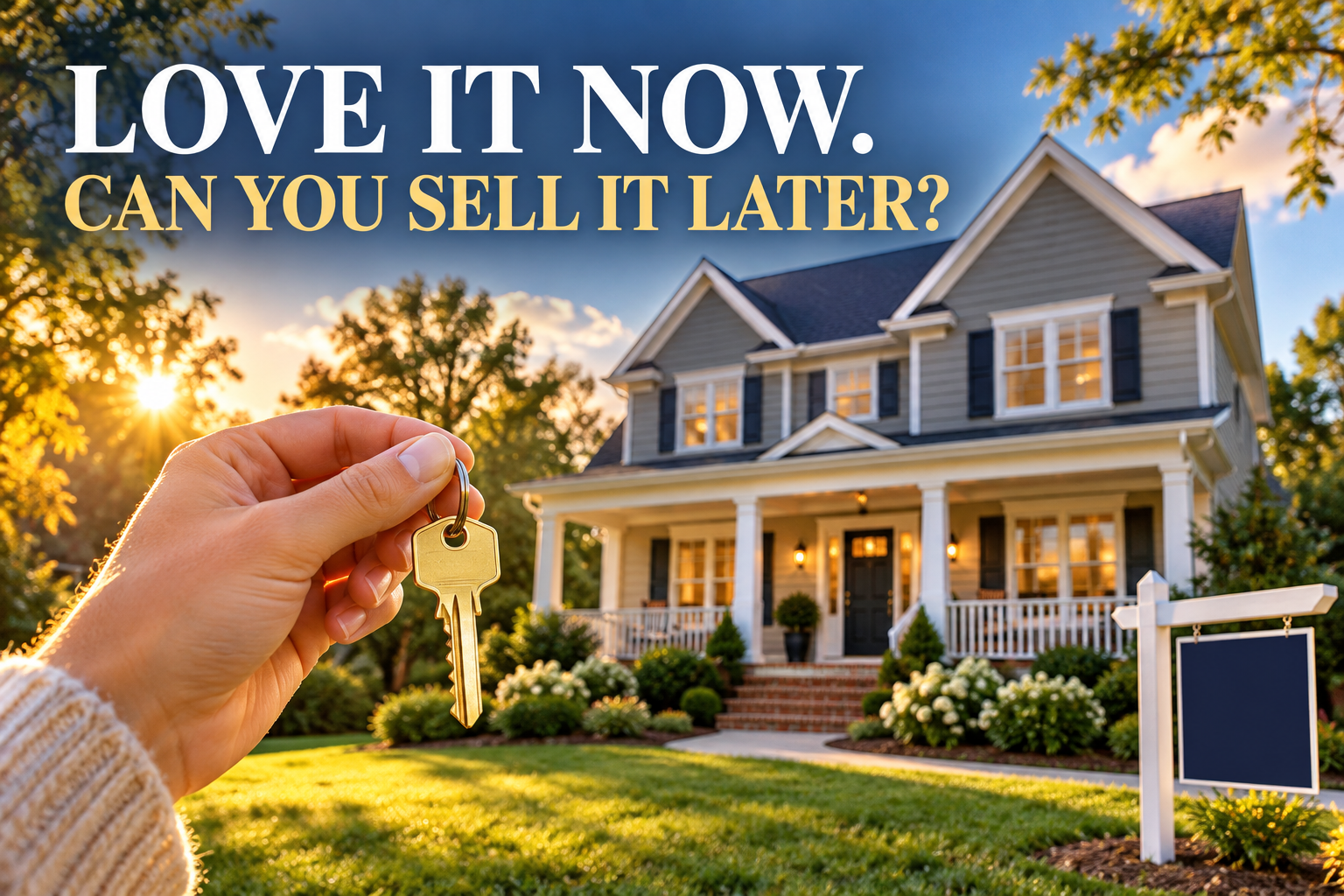
You’re walking through a house you like, and I ask, “What do you think the next buyer would hesitate over?”
I’m not trying to talk you out of it. I want you to think about that while you still have a choice about the price and the property.
You may love something that narrows the audience when you sell. Maybe the steep driveway gives you privacy. Maybe the unusual layout works perfectly for your home office. Maybe the busier road puts you close enough to work that the location saves you an hour a day.
Those can all be reasonable tradeoffs. I just want the purchase decision to recognize them.
A useful question is whether the price reflects what you’re accepting. If an easier-to-use property is available for the same money, what makes this one the better choice for you? There may be a good answer. Let’s be able to say what it is.
I pay particular attention to the things you can’t easily change. Paint is one thing. The grade of the yard, the surrounding roads, and how the house sits on the lot are another. Spend time outside. Look at the driveway. Think about where you’ll park and how you’ll use the outdoor space. If nearby land is important to your decision, check documented plans with the appropriate planning office rather than assuming it will remain as it is today.
The layout deserves a real walkthrough, too. Can you use the rooms the way you expect? Does reaching one bedroom mean going through another? Does your plan depend on moving a wall? If it does, we need qualified advice and pricing before treating that renovation as an easy fix.
I’d also separate the seller’s renovation spending from what the home is worth. Someone may have put a lot of money into finishes you love. We still need to see how the price compares with similar sales and other choices. Their receipts don’t guarantee your resale value.
How long you expect to stay matters. If you might move again in a couple of years, purchase costs, repairs, and another sale could take a meaningful bite out of your finances. A longer stay may make a personal tradeoff easier to justify, but it doesn’t guarantee appreciation.
You don’t need to buy the house that appeals to every possible buyer. You need a home that works for you at a price you understand. Part of my job is pointing out the concern you may not notice while you’re excited about the kitchen.
Send me a listing you love and tell me why. Then let’s look at what might matter when it’s your turn to put it on the market.
Valuation background: Fannie Mae on how property differences affect comparable-sale adjustments.
Every property and situation is different. These articles offer general considerations, not a property-specific valuation or a guarantee of results.
Explore more stories ↗Have a home or a question in mind?
Tell me where you are looking or selling, your timeline, and what you need help deciding.
Call Simon: 678-227-8749Text Simon: 678-227-8749 ↗