Selling · 7 min read
What Is My Home Worth? Let’s Look at What Supports the Number.
Comparable sales, condition, competition, and a practical starting point for understanding your home’s value.
 By Simon Mandell
October 11, 2026
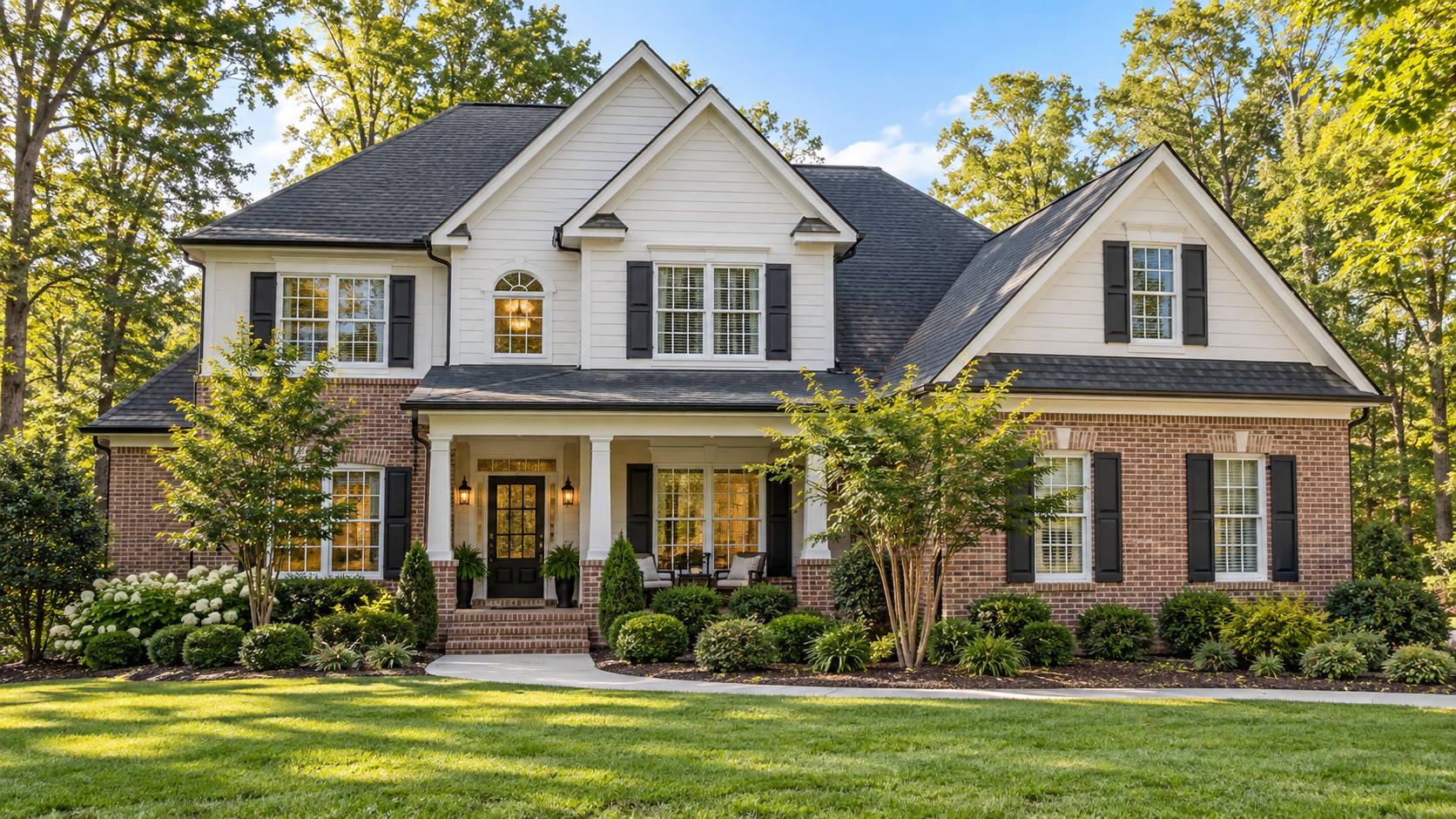
Let’s look at your home
Send me your address, recent improvements, and ideal moving timeframe. We’ll start with comparable sales, today’s competition, and what you want to walk away with.
Request my home analysis ↗Text Simon ↗You can probably find three different values for your house before you finish your coffee.
One website says one thing. Your neighbor tells you what theirs sold for. Someone else says houses in your area are selling for a certain amount per square foot.
Which number should you use?
Before choosing one, I want to see what’s behind it. And I want to know why you’re asking. Are you getting ready to sell? Comparing a cash offer? Trying to decide whether a move is within reach?
Let’s start with the house itself. What’s the condition? What has been updated? How much living space is above ground, and how much is in the basement? Is the acreage usable? Does a workshop have power and useful access, or is it a building that needs work?
An online record may not tell us those things. Even a total square-footage number can leave out distinctions that matter. Fannie Mae’s appraisal guidance treats below-grade space separately; that doesn’t mean a finished basement has no value.
Next, we look at relevant sales. I want homes similar enough that we can explain the differences without stretching the comparison to reach a number we already decided we wanted.
Your improvements matter. But spending $40,000 on a kitchen doesn’t automatically add $40,000 to what a buyer will pay. We need to see how updated homes compare with similar homes that haven’t had that work. Fannie Mae calls for market-supported adjustments, rather than simply reimbursing renovation bills.
Price per square foot deserves the same care. A $450,000 sale with 2,000 square feet works out to $225 per square foot. Multiplying that by your 2,400 square feet gives $540,000. The math is correct. It hasn’t established that your house is worth $540,000.
We still need to compare the properties.
Then we look at what buyers can purchase instead. An unsold listing at an ambitious price tells us what that seller wants. It doesn’t prove a buyer will pay it.
I want to give you a supported range, explain what could move the result within that range, and discuss an advertising price. An appraiser may reach a different independent conclusion; my market analysis isn’t a guaranteed appraisal or selling price.
Finally, we subtract the estimated selling expenses and payoff obligations. Because if the reason you’re asking is to fund your next move, that remaining amount is the number we need to work with.
Send me your address, the improvements you’ve made, and what you’re thinking about doing. That gives us a better starting point than another number without an explanation.
Every property and situation is different. These articles offer general considerations, not a property-specific valuation or a guarantee of results.
Explore more stories ↗Your local selling plan
Have a home or a question in mind?
Tell me where you are looking or selling, your timeline, and what you need help deciding.
Call Simon: 678-227-8749Text Simon: 678-227-8749 ↗